Wine begins with pleasure
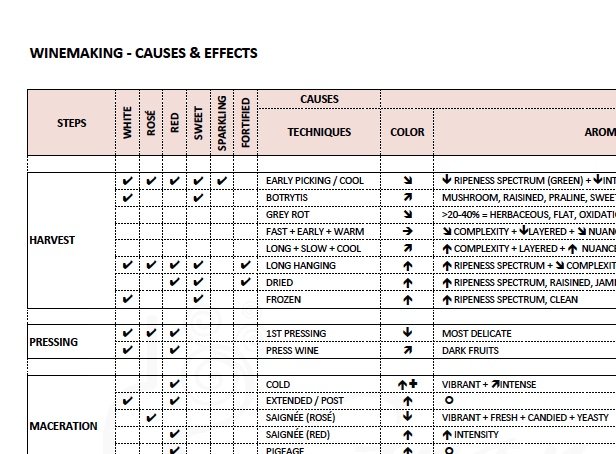
In a deductive tasting exercise, winemaking techniques can yield helpful, sometimes essential, clues to identify the origin of a wine, even its quality status in the hierarchy of an Appellation.
Here is a helpful table outlining the effects of these techniques on style and quality. To be used alongside the tasting notes, of course…
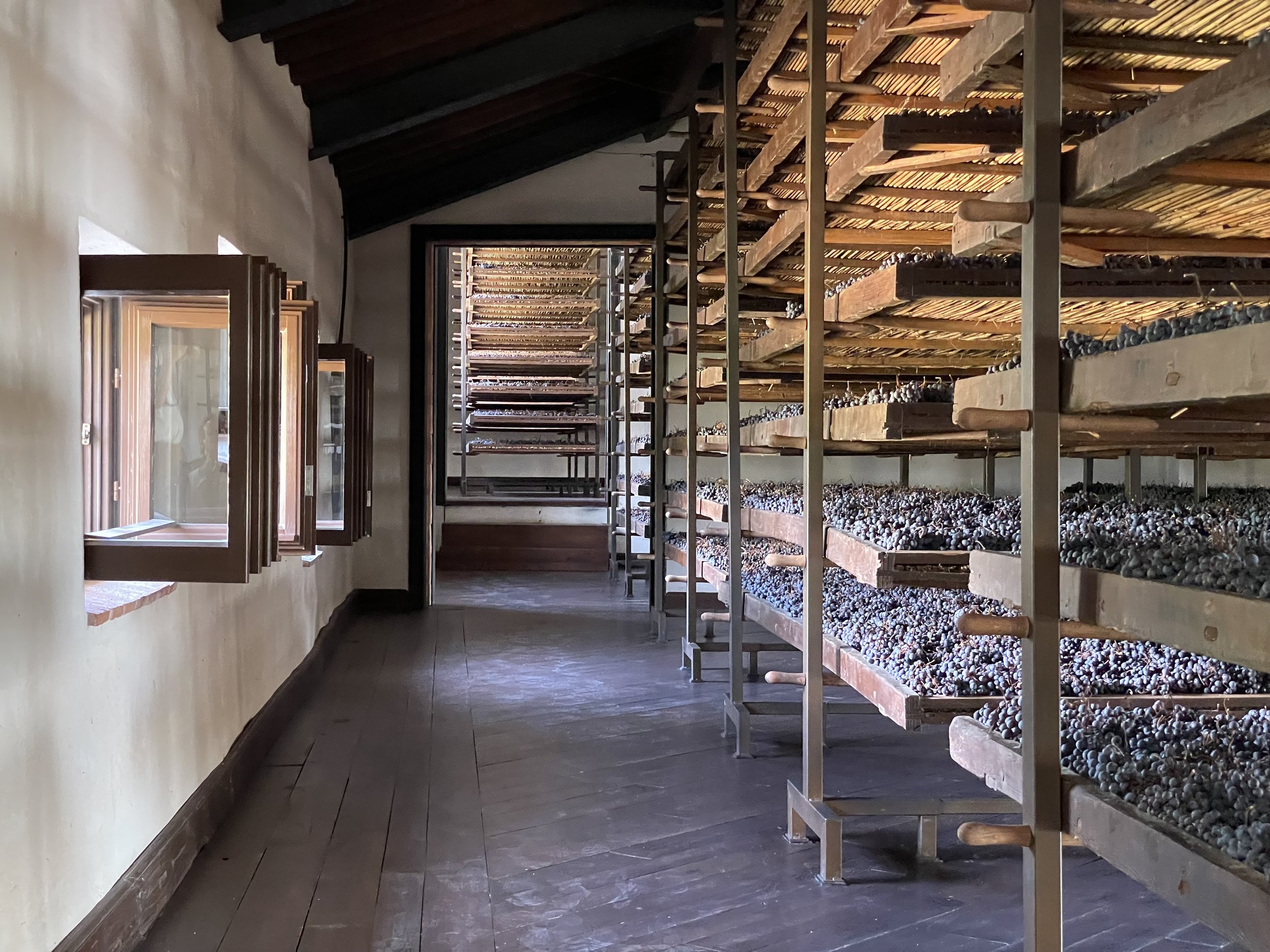
A glass of Secondo Marco Ripasso sits on a bridge between two wines.
It also crosses a much older one, back to a Verona that could not afford to waste anything.
Over dinner in San Zeno, a friend asked me to walk him across.
For years my tastings and classes have been held in other people's rooms. Atelier del Vino, in Verona, is the first that is my own, a place where I can welcome guests as I would at home. Its website, atelier.grandepassione.com, opens very soon.
Italy's 181 Barolo MGA name places without ranking a single one, and a group of Japanese sommeliers asked me the obvious question: what is it for?
The answer lies in a map drawn in 1971, a hill fought over for seven years, and vineyard names older than the wine itself.
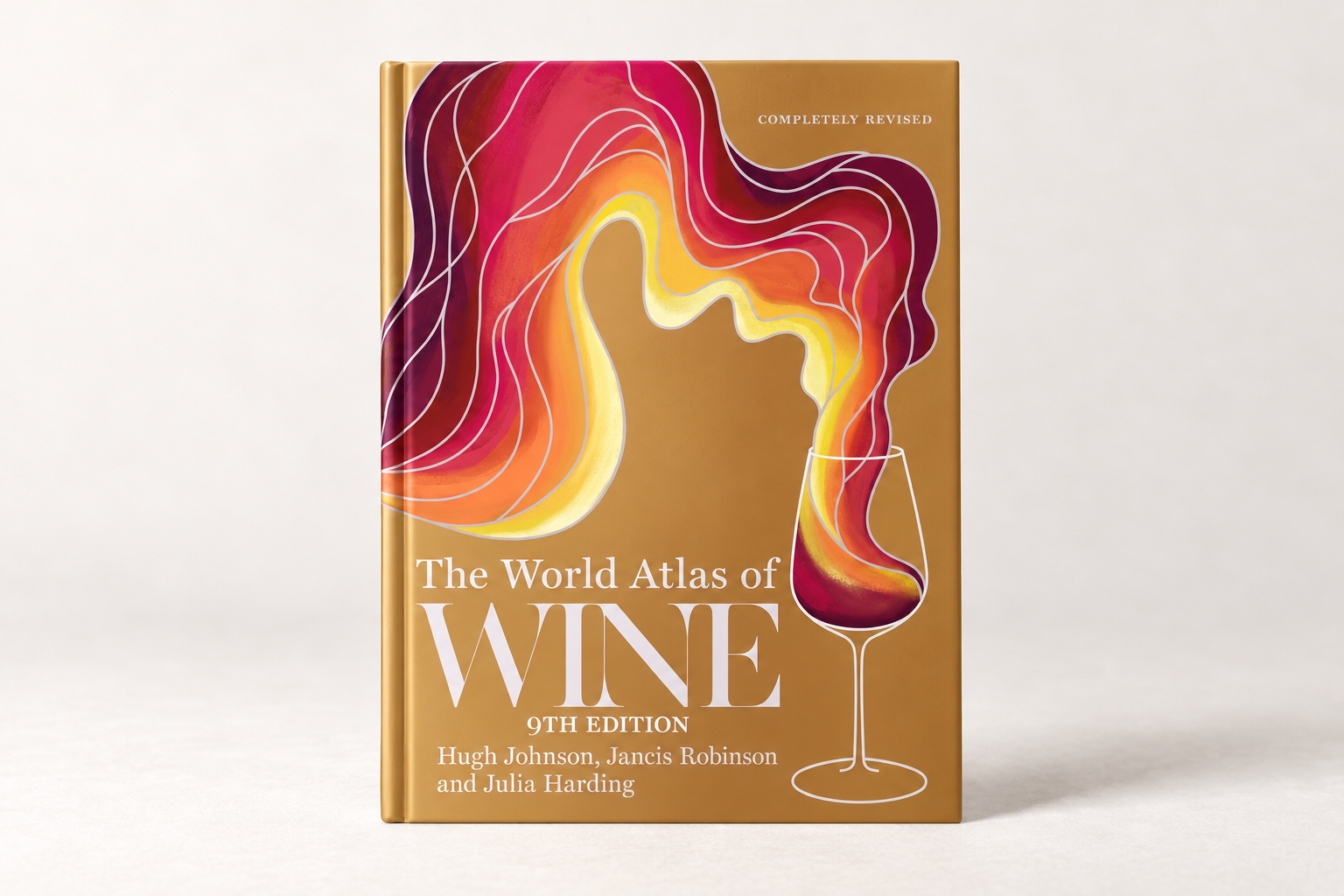
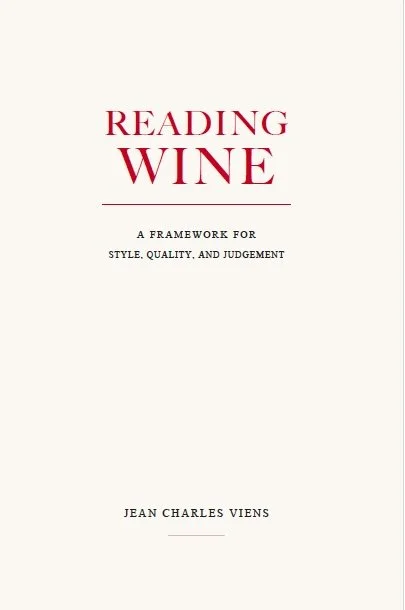
Knowing a wine and reading one are not the same thing. In Reading Wine, Jean Charles Viens offers a practical framework for understanding style and quality—for clearer judgement, fairer tasting and greater pleasure.
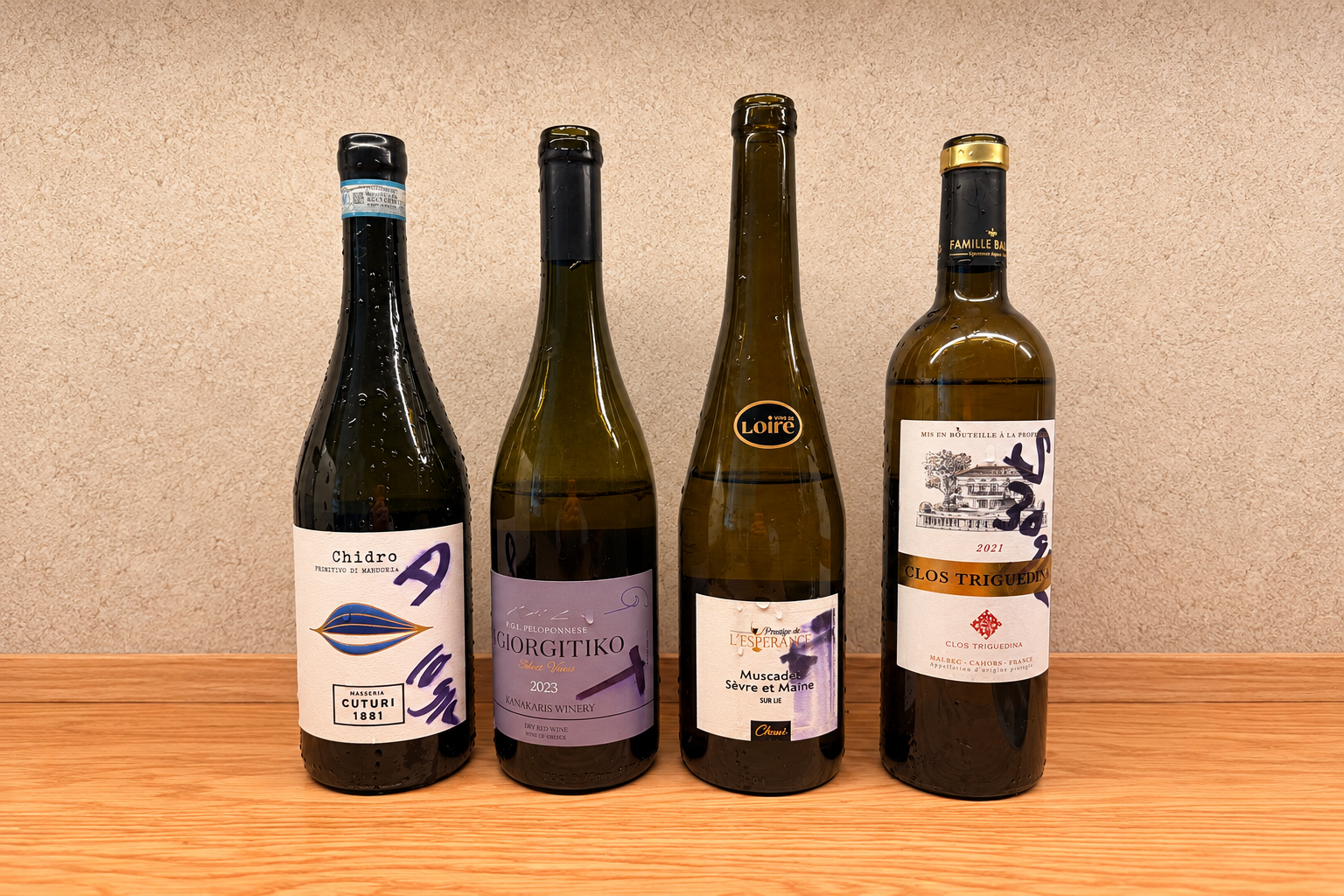
A good friend asked me for recommendations of wines to exercise for the practical exam of the WSET Level 3 Award in Wines. In this post, I propose an exercise.
Fundamental is to taste as per the Systematic Approach to Tasting, which was demonstrated using at least 70 wines during class time.
However, the critical point to pass with a high level is to be crystal clear with the skills required to demonstrate to the examiner.
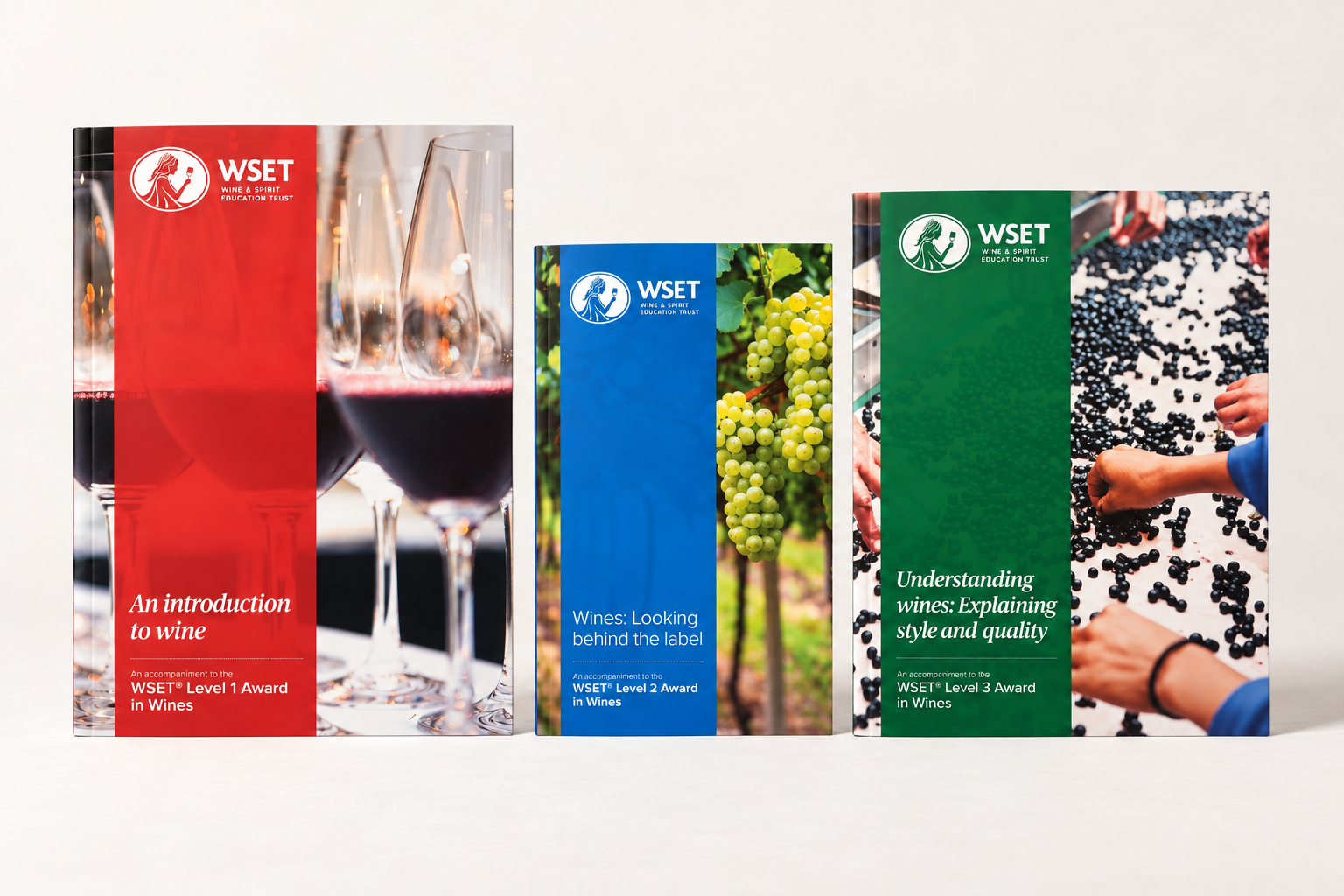
Excited to announce my partnership with the University of Gastronomic Sciences - Pollenzo for their "Master in Wine & Spirits" to teach the Wine & Spirit Education Trust Level 3 Award in Wines to students enrolling in this most comprehensive program to help participants expand their careers in Europe and abroad.
Reading Wine
Knowing a wine and reading one are not the same thing. In Reading Wine, Jean Charles Viens offers a practical framework for understanding style and quality—for clearer judgement, fairer tasting and greater pleasure.